Thursday, June 11, 2015

Sun Screen: The Burning Facts


Although the sun is necessary for life, too much sun exposure can lead to adverse health effects, including skin cancer. More than 1 million people in the United States are diagnosed with skin cancer each year, making it the most common form of cancer in the country, but it is largely preventable through a broad sun protection program. It is estimated that 90 percent of non-melanoma skin cancers and 65 percent of melanoma skin cancers are associated with exposure to ultraviolet (UV) radiation from the sun.

By themselves, sunscreens might not be effective in protecting you from the most dangerous forms of skin cancer. However, sunscreen use is an important part of your sun protection program. Used properly, certain sunscreens help protect human skin from some of the sun’s damaging UV radiation. But according to recent surveys, most people are confused about the proper use and effectiveness of sunscreens. The purpose of this fact sheet is to educate you about sunscreens and other important sun protection measures so that you can protect yourself from the sun’s damaging rays.
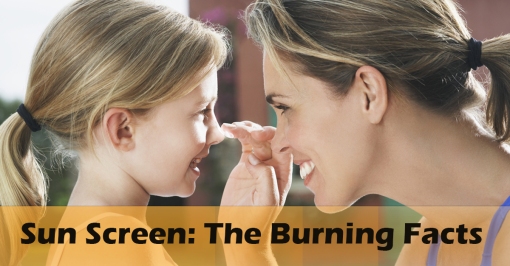
sunscreen-burning-fb-facts-shutterstock_146596109

How Does UV Radiation Affect My Skin? What Are the Risks?

UV radiation, a known carcinogen, can have a number of harmful effects on the skin. The two types of UV radiation that can affect the skin—UVA and UVB—have both been linked to skin cancer and a weakening of the immune system. They also contribute to premature aging of the skin and cataracts (a condition that impairs eyesight), and cause skin color changes.

UVA Rays
UVA rays, which are not absorbed by the ozone layer, penetrate deep into the skin and heavily contribute to premature aging. Up to 90 percent of the visible skin changes commonly attributed to aging are caused by sun exposure.

UVB Rays
These powerful rays, which are partially absorbed by the ozone layer, mostly affect the surface of the skin and are the primary cause of sunburn. Because of the thinning of the ozone layer, the effects of UVB radiation will pose an increased threat until the layer is restored in the latter half of the 21st century.

The above is an excerpt adapted from the article,
"Sun Screen: The Burning Facts” and from
MerchantsOn-Demand.com.

For more information, please visit www.epa.gov.

Tuesday, May 12, 2015

Are You Aware of This New Law?


At Hunter Insurance, we are committed to keeping you informed to ensure your safety. With many rainy days certain to happen this Spring, we would like to remind you of the new windshield wiper law in Massachusetts.

As of April 7th, the new law requires drivers to have their headlights on if their windshield wipers are in use. It was put into effect as a way to increase visibility of other vehicles during inclement weather and to prevent accidents. The law also makes it mandatory to use your headlights thirty minutes before sunrise, and after sunset. Drivers should note that this law includes the use of both headlights and taillights.

Please keep in mind that this law is already in effect in Rhode Island and Connecticut. Although this is only considered a minor violation, driving with these types of instances on your record could have a future impact on your insurance premium.

Please call us at 769.9500 if you have any questions or would like to review your current auto insurance policy.

Tuesday, April 7, 2015

Protect Your Valuables with Renters Insurance from Hunter Insurance


Due to the recent condo complex fire in our area, Hunter Insurance wants to be certain our policyholders understand the importance of having renters insurance. Though your landlord’s policy may cover certain structural damages, not everything that could happen to your rented living space is protected.

What Does Renters Insurance Cover?
  • Theft – If an asset is stolen from your apartment, renters insurance will replace the value of the item(s) taken, as long as they are listed on your policy. Additional endorsements can also be purchased for events such as identity theft or a loss of income due to not having the item. 
  • Fire – Renters insurance will cover the costs in the event of a fire, including helping to clean or replace items damaged from the accident. 
  • Water Damage - Insurance from your landlord may cover the damage to the building in the event of a pipe burst, etc., but it will not cover damage to your personal belongings. Similar to fire, renters insurance will cover the cost to fix or replace any items that were impaired. 
Does It Cover Anything Else? Renters insurance can also provide against liability in the event that a guest is injured while in the apartment. This type of policy may also cover all charges you obtain if your apartment is unusable for a portion of time (such as finding a hotel or other living arrangements until your apartment is in proper condition).

How Much Does Renters Insurance Usually Cost? This type of policy is extremely affordable. Typically, renters insurance can cost less than one dollar a day, but the amount will vary depending on the type of coverage. Keep in mind that there are precautions you can take to help reduce your costs. For example, many insurance companies will reduce the price of renters’ insurance if you install certain safety features, such as properly working smoke detectors and an alarm system.

If you are currently without renters insurance, we highly suggest you consider adding this type of policy today. Hunter Insurance would be happy to answer any questions you may have and discuss the various types of options we have available. Protecting what matters to you most is our top priority, and our agents are committed to providing you the best possible coverage. Call us today at 401-769-9500 to learn more.


Monday, February 23, 2015

Creating a Home Inventory


Step 1: If you file a homeowners insurance claim for the partial or total loss of your home, your insurance company will require a home inventory to reimburse you for your possessions. To avoid drawing up a list of items from memory, take stock of your belongings now. Look for a worksheet at your home insurer's Web site or use the one at www.insureuonline.org/home_inventory_checklist.pdf to help you organize the task. Or create and store your inventory online with KnowYourStuff.org, a free tool from the Insurance Information Institute that's also available as an app for iPhones and Android phones.

Step 2: Work room by room or by category. At a minimum, take photos or video as you go. If you have time, describe each item, including the quantity and serial number. Add the purchase date and price, and gather receipts or credit card statements. If you don't have a record of the price, look for a comparable item for sale online. Have jewelry, antiques, art and other valuables appraised and then check with us to see if they are properly insured.

Step 3: Keep a copy of the inventory that's accessible from anywhere, say, in the cloud or even in an e-mail to yourself. The inventory will also help you determine whether you have enough coverage for your home's contents and document for tax purposes losses that insurance doesn't reimburse. Update your inventory periodically, especially after making major purchases or receiving expensive gifts

Tuesday, February 17, 2015

What is Carbon Monoxide?

Carbon monoxide detector

Carbon monoxide, or “CO,” is an odorless, colorless gas that can kill you.

Where is CO found?

CO is found in fumes produced any time you burn fuel in cars or trucks, small engines, stoves, lanterns, grills, fireplaces, gas ranges, or furnaces. CO can build up indoors and poison people and animals who breathe it.

What are the symptoms of CO poisoning?

The most common symptoms of CO poisoning are headache, dizziness, weakness, upset stomach, vomiting, chest pain, and confusion. CO symptoms are often described as “flu-like.” If you breathe in a lot of CO it can make you pass out or kill you. People who are sleeping or drunk can die from CO poisoning before they have symptoms.

Who is at risk for CO poisoning?

Everyone is at risk for CO poisoning. Infants, the elderly, people with chronic heart disease, anemia, or breathing problems are more likely to get sick from CO. Each year, more than 400 Americans die from unintentional CO poisoning not linked to fires, more than 20,000 visit the emergency room, and more than 4,000 are hospitalized.

Read more about CO poisoning and how to prevent it here: http://ow.ly/Jc6BW

Information provided by Merchants On-Demand

Friday, February 6, 2015

Winter Weather Causes Ice Dams


As we endure a particularly tough New England winter, Hunter Insurance wants to make sure that you, your family and your property are fully protected.

The tremendous amounts of snowfall have pummeled neighborhoods and have created a silent danger lurking on the roofs of many homes. You may have noticed the glistening icicles hanging from your gutters, but may be unaware of the significant damage they could cause. The appearance of icicles is typically the first warning sign of possible ice dams.

Ice dams are essentially a wall of ice that forms along the roof of your home, usually near the gutters. As they form, water backs up behind the ice dam and creates a pool of water that can leak into your home and cause damage to walls, ceilings, insulation and other areas. With the extensive snowfall totals so far, coupled with freezing temperatures, homes are being hit hard.

The best way to avoid ice dam formation is to make certain your attic is properly ventilated and insulated. Even if the temperatures are freezing outside, poor insulation will cause snow to melt too fast on your roof. When the accumulated snow on your roof starts melting down to the “colder” sections (such as the gutters) it begins to refreeze thus forming an ice dam.

While ice dams can cause home damage, it is important to exercise caution when removing them. Only trained professionals with the proper equipment and roofing experience should be consulted. Never step out onto a snow covered roof, as there is severe risk of personal injury. 

Hacking away at ice dams with a hammer, chisel, or shovel is bad for your roofing—and dangerous for you. And throwing salt on them will do more to harm to your plantings than to the ice.

To help avoid damage, pull off snow with a long-handled aluminum roof rake while you stand safely on the ground. A rake with wheels will instantly change the exterior temperature of your roof without damaging shingles.

At Hunter Insurance, we are committed to helping individuals and families protect what matters most. If you would like additional information on keeping your home safe this winter, please contact us at 769-9500.

Thursday, February 5, 2015

NICB Issues Warning on Stolen Vehicle Cloning


The National Insurance Crime Bureau (NICB) is warning consumers to be careful when purchasing a used vehicle to avoid becoming a victim of vehicle cloning.

For many years, vehicle identification numbers (VINs) have served as proof of an automobile's identity; however, scam artist have begun "cloning" VINs in an effort to pass off stolen vehicles as legitimate ones. The NICB is warning consumers about used cars priced well below fair market value. Use NICB's free VINCheck service below before buying a used car.

Check the status of your vehicle here: https://www.nicb.org/theft_and_fraud_awareness/vincheck

share

Get widget